Minnesota Equipment Financing
How Equipment Leasing can Help you Jumpstart your New Business in Minnesota
Every business needs some equipment to operate, but financing can be difficult when you’re just beginning. Equipment leasing in Minnesota provides a way for you to space out payment until you start generating revenue. A new business has a variety of investments to make and equipment leasing helps you lay roots in other sectors during this crucial stage in your development. Because you aren’t paying to own this equipment, you can easily scale operations and upgrade to better models as your revenue increases. Equipment leasing is also a good way to maintain credit and prove that your business is financially responsible.
The Benefits of Equipment Leasing vs. Equipment Purchasing
Equipment leasing is a great way for businesses to expand operations and increase revenue. A large upfront payment can take a heavy toll on your funds and put your business in a bind. By leasing equipment instead of purchasing, you can conserve and control your working capital to use on other areas of your business. When you purchase equipment, you have to worry about replacing it as new models emerge. With leasing, you can easily upgrade outdated equipment by switching your lease terms. Equipment leasing has an easier approval process and can help you maintain your credit.
Can Heavy Equipment Financing Help Your Minnesota Business?
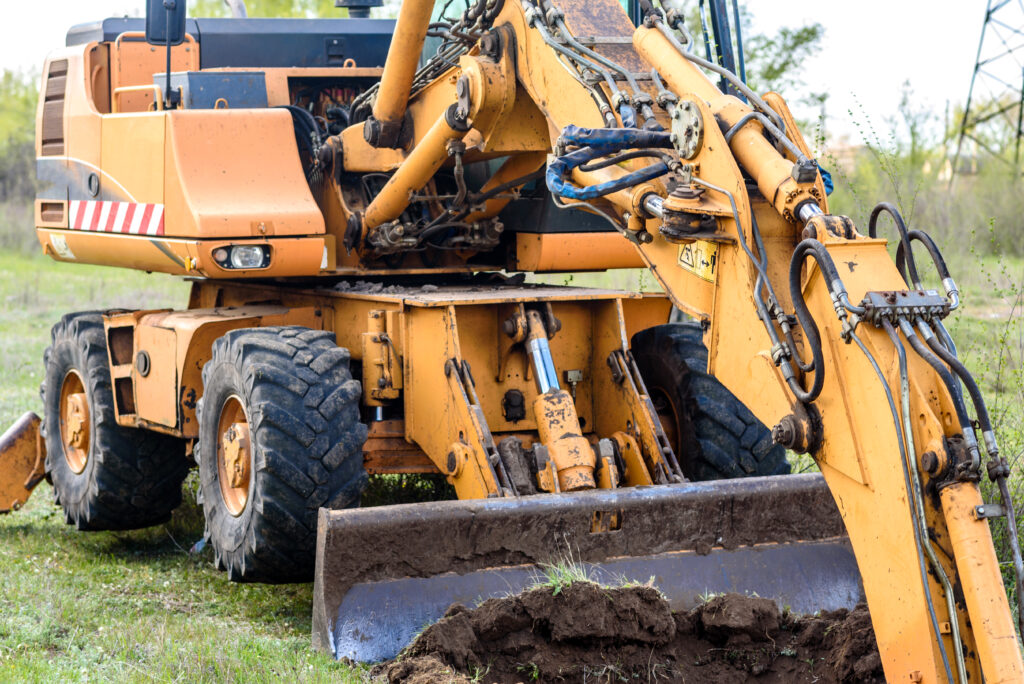
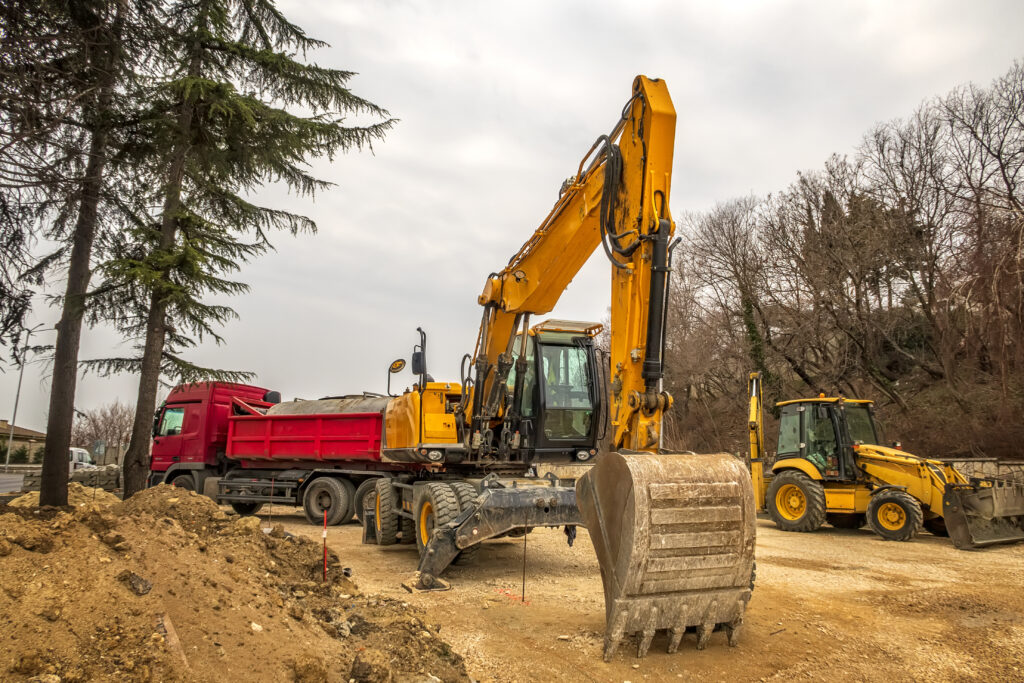
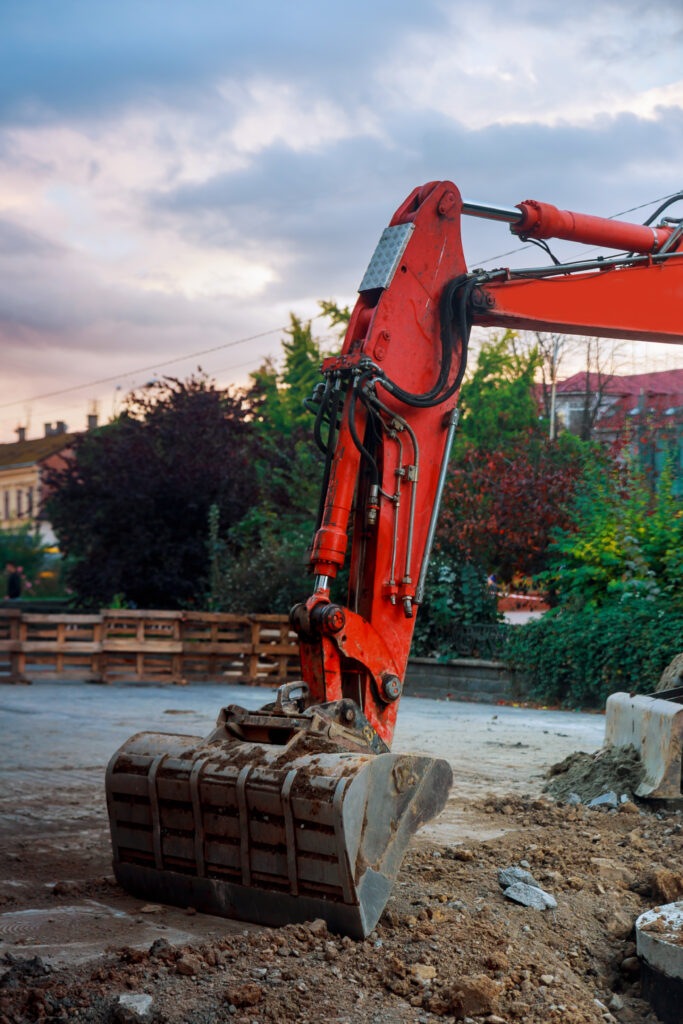
Heavy equipment financing is a smart alternative to purchasing that can help your business improve production. Heavy equipment financing in Minnesota can help you procure essential equipment to scale operations while maintaining the liquidity of your business. Heavy equipment financing involves accepting a loan for your purchase that is then paid off monthly. If your business has other expenses, financing is a smart way to avoid a large capital expenditure that could set your business back. If you have bad credit, you may still qualify for equipment financing depending on the lifespan of your business and records of good vendor relationships.
How Vendor Financing Can Increase Your Business as a Supplier in Minnesota
Whether you are an independent business owner, distributor, or supplier, you can increase your sales using vendor financing. Suppliers and vendor finance programs work together to give your customers financial options. If your clients are short on funds, a vendor financier may be able to extend them a loan, which they will eventually repay. Your business will immediately receive the full upfront payment for the purchase. Vendor financing can give clients a way to purchase your goods when they otherwise wouldn't be able to. Providing this service effectively boosts revenue and helps build relationships with clients with no risk to your business.
Minnesota Equipment Leasing vs Equipment Financing: Which is Right For Your Business?
When looking to obtain equipment for your business, you have three options. First, you can purchase the equipment outright. This can be a heavy financial strain, and many businesses can’t afford to make such a sizable expenditure. The other options are equipment leasing and equipment financing. Equipment leasing allows you to use the equipment temporarily for a monthly fee. Equipment leasing is a smart choice for businesses that are subject to volatile demand or businesses that take on short-term projects. With equipment leasing, you never have ownership of the equipment, meaning it is less of a long-term commitment. With equipment financing, you receive a loan for the equipment that is then paid back monthly. At the end of the loan term, you have full ownership of the equipment, making it better for businesses that plan on using the equipment consistently over time.
How Equipment Leasing Can Help Your Business Adapt
In today’s world, it is essential for businesses to be able to adapt. Equipment leasing is an excellent way for companies to adjust to changing circumstances. If you experience a period of increased customer demand, equipment leasing provides you with the necessary equipment to meet the demand without committing to a purchase. With equipment leasing, you also don’t need to worry about the maintenance of your equipment or a malfunction. Equipment leasing also prevents you from having outdated equipment in your inventory, ensuring you are always using the latest equipment.